
Thiago Jesus, Lead for Indigenous Exchange and Climate Action at People’s Palace Projects
Meet Thiago Jesus, PhD candidate and Lead for Indigenous Exchange and Climate Action at People’s Palace Projects. During Climate Action Week 2026, Thiago will join a panel reflecting on COP30 in Belém, Brazil, and host a virtual reality experience highlighting the role of Indigenous territories in addressing climate change in the Amazon.
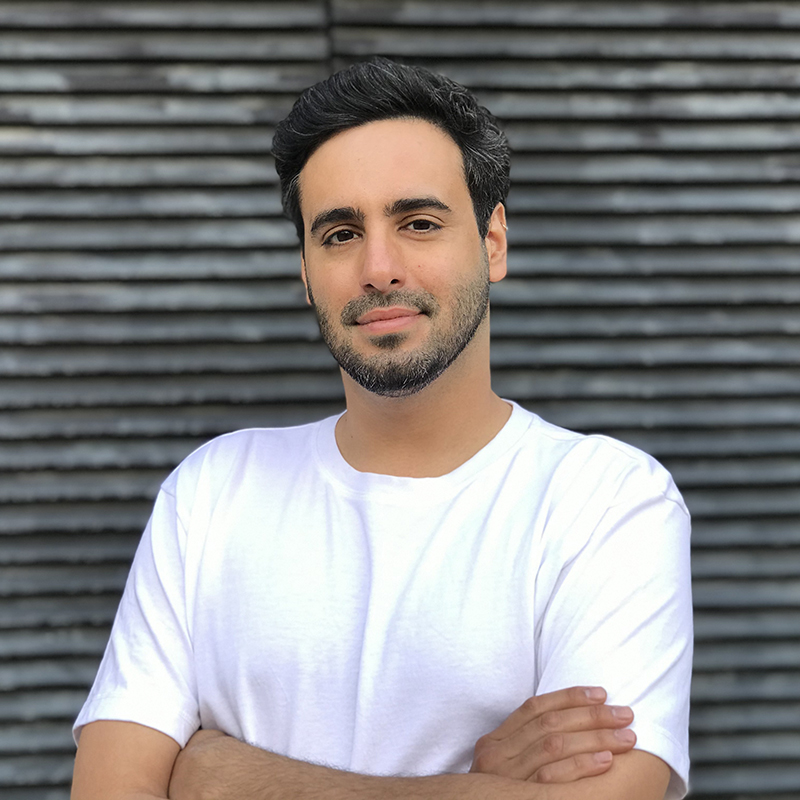
Can you tell us a little bit about yourself and how long you’ve worked at Queen Mary?
I am a researcher and cultural practitioner working at the intersection of climate justice, Indigenous knowledge systems, and international cultural and climate policies. I currently wear two hats at Queen Mary: as a PhD candidate and as the Lead for Indigenous Exchange and Climate Action at People’s Palace Projects (PPP), a research centre in the School of the Arts that uses the arts to address social and environmental injustices in the UK, Brazil and beyond.
I have been connected to Queen Mary for nearly 15 years, joining PPP in 2012 and working on international, interdisciplinary arts-based research across Europe and Latin America. Since beginning my PhD in 2022, I have led PPP’s Indigenous and Climate Action work in the Brazilian Amazon, collaborating with Indigenous Peoples, artists and researchers to protect cultural heritage, inform climate policy, and advance the role of culture in global forums such as the UN climate conferences and the G20.
Can you tell us about the events you are participating in and hosting during Climate Action Week 2026?
I’m really excited to be joining colleagues from the Queen Mary delegation for the discussion panel Beyond COP30: Closing the gap between talk and action. We will reflect on our experience of COP30 in Belém and what it means for climate action going forward. While the summit generated real momentum around adaptation, climate finance, and greater recognition of frontline communities, there was also a real disappointment that negotiations ended without a roadmap for phasing out fossil fuels.
My contribution will focus on the unprecedented mobilisation of artists, cultural institutions, Indigenous Peoples and civil society networks in Belém, and on how People’s Palace Projects and Queen Mary have helped advance recognition of culture as a vital part of climate action, through initiatives such as Art for Climate, Climate is Culture, From the Ashes, as well as through our role supporting the Group of Friends of Culture-Based Climate Action.
We will host the VR experience Kamukuwaká: A Call of the Forest, an exclusive opportunity to try the 15-minute virtual reality journey directed by Indigenous filmmaker Piratá Waurá alongside Studio Kwo. The piece transports audiences to the Xingu Indigenous Territory and offers an incredibly intimate insight into the culture of the Wauja people, their chants, dances, rituals, and dreams, revealing how the protection of Indigenous cultures and territories is a critical part of effective climate action.
What does a typical week look like for you?
No two weeks are the same. My time is split between doctoral research and project work at People’s Palace Projects, combining writing, meetings and partnership work with artists and community collaborators.
A typical week might include planning international research activities, contributing to policy or research outputs, supporting partners in their territories, and preparing talks or seminars, often across different time zones. It’s busy but rewarding, and I value the constant movement between academic research, creative practice, and community engagement.
What do you see as your role in helping the University achieve its Strategy 2030?
I see my role as helping to orient research towards real-world social, cultural and policy impact, in line with Queen Mary’s commitment to socially engaged research. Through People’s Palace Projects, I’ve developed an approach to leadership and collaboration rooted in care, creativity, and respect for the communities I work with.
This aligns closely with Queen Mary’s civic mission and Strategy 2030, supporting participatory, internationally connected research that produces knowledge with purpose and informs decision-making beyond the University while remaining accountable to the people and places where it is created.
What’s your favourite place on any of our campuses?
The canal side, for sure. I love that People’s Palace Projects office is at the far end of France House on the Mile End campus, right next to Regent’s Canal. We get the privilege to work while watching families of coots and ducks passing by, and seeing people walking, cycling, or stopping to sit by the water in the summer. It makes a real difference to our team’s working day!
Do you have any pastimes outside of work?
Being from Brazil, spending time in green spaces and close to water feels essential to me, so I am always walking and exploring parks and canals around London. What I miss most at this time of year is the volleyball group I am part of. We play every week over the summer at Haggerston Park, and I am already counting the days until the weather gets warmer and we can start again.
COP30 events during Climate Action Week
Beyond COP30: Closing the gap between talk and action
Monday 23 February, 6.15-8pm
Peston Lecture Theatre, Graduate Centre
VR Experience “Kamukuwaká: A Call of the Forest”
Wednesday 25 February, 1–2.30pm
Graduate Centre Foyer