
Professor Catherine Molyneux, Deputy Dean of Education, Institute Of Health Sciences Education
Meet Professor Catherine Molyneux, Deputy Dean of Education, Institute Of Health Sciences Education. In this profile Catherine tells us about setting up new medical school in Malta, this year’s graduating class key role in the national vaccination effort, administering over 20,000 COVID-19 vaccinations to the population of Gozo, and more about the setup of the Malta campus.
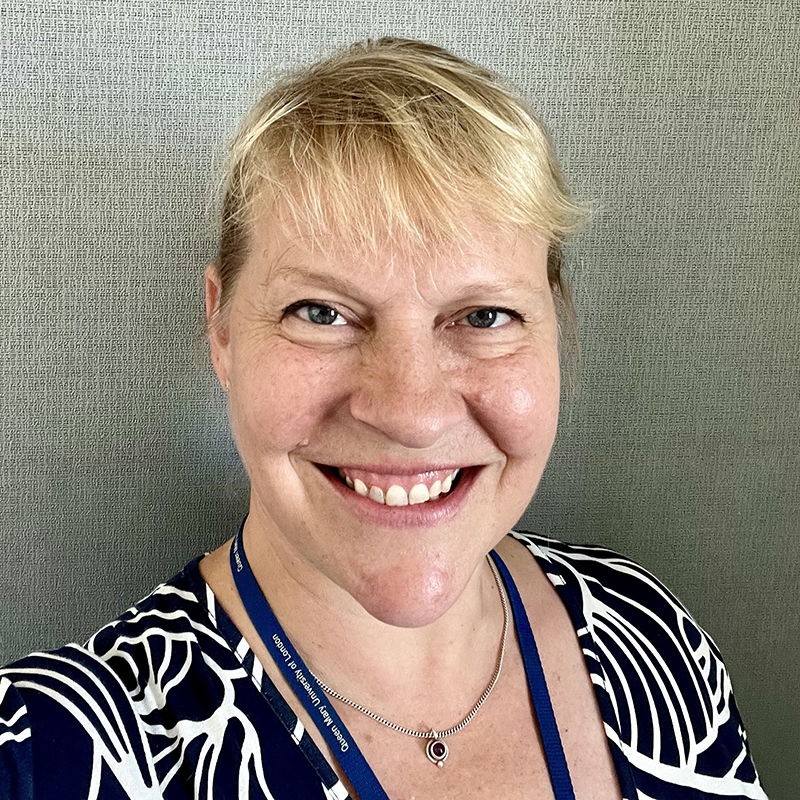
Can you tell us a little bit about yourself and how long you’ve worked at Queen Mary?
I first joined Queen Mary back in 1996 as a Graduate Teaching Student (a PhD student with teaching responsibilities). I was an Anatomy Demonstrator, so I spent a lot of time in the dissection room, teaching both medical and dental students. It was during this time that I discovered my passion for teaching. I loved the challenge of explaining complicated concepts in a way that made sense and helping students apply what they’d learned to clinical scenarios.
I came back to the medical school in 2005 as an Anatomy Lecturer, and in 2011, I took on the role of Director of Anatomical Studies. Since then, I’ve led the redevelopment of the anatomy curriculum, worked to make dissection accessible for all our medical students, and developed a range of online anatomy exams and revision tools to help support their learning.
In 2016, I visited Malta to participate in discussions about whether it might be feasible to set up a new medical school there. It was a beautiful place and a really exciting project. I was hooked. So, I made myself as useful as possible! The following year, I officially started at the Malta campus as the Deputy Dean for Education. In those very early days, I was the only person on site, working out of a few rooms in a local sixth form college while we waited for our new building to be completed. But within a few weeks, I was joined by some fantastic new colleagues, and within six months, we welcomed our first cohort of students.
It’s been a unique and rewarding experience over the past few years. As the first cohorts have moved through the course, I’ve had the opportunity to be Head of Year 1, then 2, 3, 4 and finally 5, seeing the full student journey from start to finish. We deliver the same course as in London, with identical learning outcomes and the same exams, taken simultaneously across both campuses. Achieving General Medical Council accreditation was a major milestone. It took a real team effort, working closely with our colleagues in London to make sure we’re offering students in Malta a high-quality educational experience that matches the standards and outcomes of our London campus.
Describe your average day/week
No two days are the same! I work closely with the academic team, professional services, local clinicians, hospital management, and, of course, with our students.
My day-to-day focus is on enhancing the student experience by ensuring access to high-quality education and teaching, both within the school and through strong partnerships with local healthcare providers across Malta and Gozo. A key part of this is facilitating meaningful clinical exposure, covering the core areas of the curriculum while also expanding the breadth, diversity, and richness of learning opportunities to support students’ development, both academically and professionally.
Some days, my diary is packed with meetings; on others, I’m focused on clinical attachments, making sure our students are getting the very best and varied learning experiences in hospital and community settings. I regularly visit our local healthcare providers, and I spend a lot of time working with staff and students to respond to feedback and keep improving the course.
Every now and then, I have the privilege of teaching, something I still genuinely enjoy. I’ve never lost my passion for it.
Are there any key projects you are currently working on that you’d like to highlight?
One of our current priorities is supporting and developing our growing network of clinical educators. All of our clinical tutors are relatively new recruits. They’re enthusiastic, committed, and bring a huge amount of energy to student teaching. Over the past year alone, 358 clinicians, including both junior and senior doctors as well as allied healthcare professionals, have contributed to teaching our students in Malta and Gozo.
With such a large and diverse teaching faculty, faculty development has become a key focus. We want every clinician involved in teaching to feel confident, supported, and aligned with the goals of the medical school. That means helping them understand our curriculum, institutional values, and teaching strategies, as well as giving them the tools to provide a high-quality and consistent student experience.
We’re also working across cultural and professional differences, building a shared understanding of what excellent medical education looks like in this unique context. It’s a big task, but it’s incredibly rewarding, and ultimately, it’s all about creating the best possible learning environment for our students. I work closely with Dr Dason Evans, our Head of Faculty Development, who is driving this project forward.
What do you see as your role in helping the University achieve its Strategy 2030?
I’m incredibly proud of our course, proud of my colleagues and most of all, proud of our students.
This year’s graduating class really stood out. These 72 students began their studies during the height of the COVID-19 pandemic, facing enormous challenges from the very start. Some couldn’t travel to Malta at all; others were stuck here, separated from their families and usual support networks. But despite everything, they showed extraordinary resilience and determination.
During the pandemic, our students played a key role in the national vaccination effort, administering over 20,000 COVID-19 vaccinations to the population of Gozo. Their contribution made a real difference, and it helped them form lasting connections with the local community.
That spirit of engagement has continued. Our students have integrated remarkably well into local life, volunteering with charities and NGOs across Gozo and Malta. They've been involved in school outreach programmes, worked with drug rehabilitation centres, and supported the local migrant centre. Their commitment to making a difference beyond the classroom is inspiring.
They’ve also played a major role in shaping the student experience here in Malta. As pioneers of a relatively new campus, they’ve taken the lead in expanding the number and scope of student-led societies, creating a richer, more vibrant, and inclusive student life for those who follow.
This graduating cohort has been a living example of Strategy 2030 in action. They’ve combined academic excellence with community engagement, professional maturity with personal resilience, and a strong sense of identity as Queen Mary students with a deep connection to the local context.
What’s your favourite place on any of our campuses?
The campus itself but especially the roof top canteen!
Our medical school building is located within the hospital grounds in Victoria, Gozo and we’re incredibly lucky to work in such a fantastic facility. It’s modern, spacious, and purpose-built, with state-of-the-art teaching spaces and panoramic views across Gozo (and even parts of Malta) from the upstairs terrace. The canteen there is one of my favourite spots, it’s a great place to take in the view and catch up with colleagues or students over a coffee.
Beyond being a beautiful and functional space, the campus plays a key role in our future plans. A strategic focus for us is expanding its use across Queen Mary. With its central Mediterranean location, high-spec facilities, and welcoming environment, it’s the perfect setting for a wide range of academic activities with a truly international feel.
We’re currently working with colleagues from across Queen Mary to develop new postgraduate programmes and short courses that can be delivered here in Malta. Our aim is to make full use of the campus year-round and to create exciting new opportunities for education, research, and engagement that align with Queen Mary’s global ambitions.
The campus is ideally suited for a range of initiatives, from taught Masters programmes and CPD courses to summer schools, retreats, conferences and collaborative research events. If you’re based at Queen Mary and have an idea for how we might work together, we’d be very happy to explore it with you. If you’re curious about the facilities, have a look at our pages on Our Facilities and if you have an idea for collaboration, please don’t hesitate to get in touch.
Do you have any hobbies, pastimes outside of work?
Walking my dog. Dennis is a local hunting dog (Kelb tal-Kaċċa) who I adopted from Animal Welfare. I love exploring the island with him.
Also, diving! The diving is fantastic here, with great visibility you can dive all year round (although I recommend a dry suit in the winter).