
Alumni profile - Rumi Petrova
(MSc Marketing, 2019)
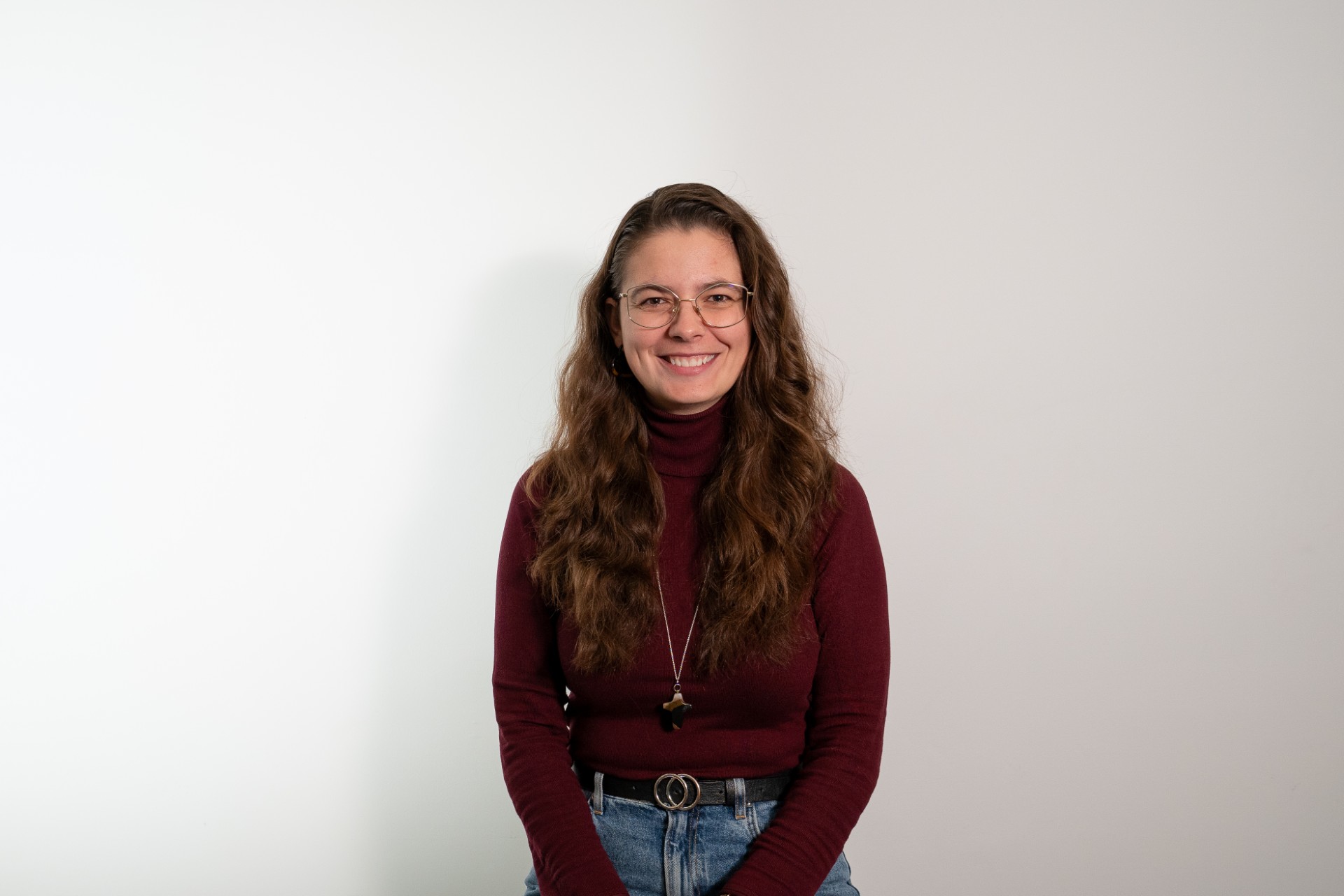
Looking back, what part of your Master’s had the biggest impact on your career?
One of my most vivid memories from the Master’s was in my first lecture. Having studied marketing for my bachelor’s, I thought I knew the fundamentals, especially the 4Ps and 7Ps of marketing. But in that first session, the lecturer said: “You know the 7Ps of marketing? Forget everything you know, the theory actually has a lot of limitations. Nothing is what you think it is.” That moment really shocked me and completely shifted my mindset. It taught me to look at things from different perspectives and always weigh the pros and cons.
That way of thinking has stayed with me throughout my career, whether navigating organisational changes or moving from a generalist role into a specialist one. Another standout experience was a group project where we created a full advertising campaign for a tea brand. It was a highly creative and collaborative process - we even designed the packaging and built a campaign around shared moments, adapting the line “come together right now over me” to “come together right now over tea.”
That experience made me realise how much I enjoy creating ideas that bring people together. It confirmed that I wanted a career in marketing, and I’ve carried that same sense of excitement into my work ever since.
“You know the 7Ps of marketing? Forget everything you know, the theory actually has a lot of limitations. Nothing is what you think it is.”
How did your university experience prepare you for your career?
For me, being part of different societies was important. I especially enjoyed the table tennis club, which gave me a strong sense of community and the opportunity to stay active with others. Getting involved in societies and group projects helped me develop teamwork and accountability - skills that are essential in my day-to-day work.
University also prepared me through a mix of group and individual projects, which closely mirrors how I work now, balancing collaboration with independent responsibility. Attending career talks and events was equally valuable, as it provided real insight into different career paths and what working in industry is like.
Can you tell us about your career journey since graduating?
My career started quite broad and gradually became more specialised. I started as a Marketing and Business Development Assistant at an accountancy firm, where I gained hands-on experience across events, design, copywriting and more. I even created props like I did for my master’s degree! While that breadth was valuable, it also helped me understand what I didn’t enjoy and guided me towards what I wanted to do.
From there, I moved into a more focused role within financial services, working on digital and performance marketing as well as marketing operations and acquisitions. I have also always been curious about finance and that is why I went to a financial services company as my second employer. It was a constantly changing industry, so it was very fast-paced and interesting.
I then joined a big newspaper publishing company as a Regional Marketing Manager, focusing on B2B acquisition marketing. Over time, I became increasingly interested in marketing operations, and I’m now the B2B Global Marketing Operations Lead.
“That experience made me realise how much I enjoy creating ideas that bring people together. It confirmed my desire to pursue a career in marketing, and I’ve carried that same sense of excitement into my work ever since.”
What do you enjoy most about working in your current role?
The culture and the people. There are so many opportunities to learn, whether through courses, mentorship or exploring different roles. It’s an environment that really supports curiosity and development.
What does a typical day look like for you?
I usually start my day by catching up on industry news, emails and messages, followed by setting clear priorities. I also must start the day with a coffee or tea; there’s no other way around it!
A method I use that I learnt from a past course is to try and have three key goals that you do each week and then three smaller tasks that you do each day. I find this really useful. In the afternoon, I usually try to block focus time so I can do some strategic thinking, especially as I have consumed so much information in the morning. And I always try to end the day with something active, like going to the gym or for a walk, to reset.
What has been a project or achievement in your career that you’re particularly proud of?
I’m particularly proud of leading my first major multi-channel campaign early in my career. It targeted financial services, included video, email and digital assets, and performed strongly despite a limited budget. That experience was a turning point and made me realise I wanted to work in financial services.
Later, I worked on revamping a company’s lead journey - for example, how do we attract, nurture and pass prospects to sales. This really sparked my interest in marketing operations.
More recently, I’m proud of the development of the people I manage and the positive feedback I’ve received on their growth.
What are your fondest memories of Queen Mary?
My fondest memory is my graduation ceremony, when my mum and sister came over from Bulgaria to celebrate with me. It was a proud moment, reflecting on everything I’d achieved.
I also remember feeling a real sense of accomplishment, having made great friends, learned so much and completed what is not an easy journey. It was a moment of recognising that I had truly earned my degree and achieved something meaningful on my own.
What advice would you give to current students?
Stay consistent and resilient. The job market can be challenging but keep applying and refining your approach. Tailor your CV, focus on your transferable skills and remember that everyone reviewing your application was once in your position.
If you could go back and speak to your student self, what would you say?
Don’t overplan. Careers aren’t linear and things don’t always go as expected. Stay open, stay curious and trust the process - opportunities will come in ways you might not anticipate.